
$14.00
Add to Cart
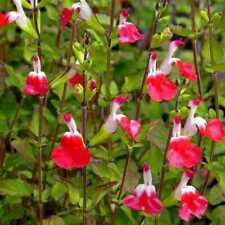
50 Hot Lips Salvia Ct Flower Perennial Flowers Hummingbird
10 available
Details
Shipping: US-Mainland: free (more destinations)
Condition: Brand new
Returns: does not accept (more)
Salvia Seeds
· Zone 3-8
· Full Sun, Part Sun
· Height 12”-14”
· Bloom Season Summer to First Frost
· Annual
· Features Attracts Bees, Hummingbirds, Butterfly’s
· Life Cycle Perennial, Annual
· Soil Well drained
Sowing Salvia Seeds directly in the Garden
· Direct sow after all danger of frost in full sun in a well-drained but moisture-retentive soil
· Remove weeds and work organic matter into the top 6-8 inches of soil; then level and smooth.
· Sow seeds evenly and thinly and barely cover with fine soil.
· Keep evenly moist.
· Seedlings will emerge in 15-21 days.
· Thin to 12-18 inches apart when seedlings are about 2 inches tall.
How to Grow Salvia
Keep weeds under control during the salvia growing season. Weeds compete with plants for water, space, and nutrients, so control them by either cultivating often or use mulch to prevent their germination.
· Mulches also help retain soil moisture and maintain even soil temperatures. For perennials, an organic mulch of aged bark or shredded leaves lends a natural look to the bed and will improve the soil as it breaks down in time. Always keep mulches off a plant’s stems to prevent possible rot.
· Careful watering is essential in getting salvia perennials off to a good start. Water thoroughly at least once a week to help new roots grow down deeply. Soil should be damp at about 1 inch below the soil surface. You can check this by sticking your finger in the soil. Water early in the morning to give all leaves enough time to dry. One inch of rain or watering per week is recommended for most perennial plants. You can check to see if you need to add water by using a rain gauge.
· Until plants become established, some protection from extreme winds and direct, hot sunlight may be necessary. Good air movement is also important.
· After new growth appears, a light fertilizer may be applied. Keep granular fertilizers away from the plant crown and foliage to avoid burn injury. Use low rates of a slow release fertilizer, as higher rates may encourage root rots.
· “Deadhead”, remove spent flower heads to encourage continuous flowering and prevent seed development.
· Remove and discard foliage after a hard frost in fall.
· In colder regions, apply another layer of mulch (1-2 inches) after the ground freezes in fall. Evergreen boughs provide additional protection. Remove this mulch in the spring.
· Zone 3-8
· Full Sun, Part Sun
· Height 12”-14”
· Bloom Season Summer to First Frost
· Annual
· Features Attracts Bees, Hummingbirds, Butterfly’s
· Life Cycle Perennial, Annual
· Soil Well drained
Sowing Salvia Seeds directly in the Garden
· Direct sow after all danger of frost in full sun in a well-drained but moisture-retentive soil
· Remove weeds and work organic matter into the top 6-8 inches of soil; then level and smooth.
· Sow seeds evenly and thinly and barely cover with fine soil.
· Keep evenly moist.
· Seedlings will emerge in 15-21 days.
· Thin to 12-18 inches apart when seedlings are about 2 inches tall.
How to Grow Salvia
Keep weeds under control during the salvia growing season. Weeds compete with plants for water, space, and nutrients, so control them by either cultivating often or use mulch to prevent their germination.
· Mulches also help retain soil moisture and maintain even soil temperatures. For perennials, an organic mulch of aged bark or shredded leaves lends a natural look to the bed and will improve the soil as it breaks down in time. Always keep mulches off a plant’s stems to prevent possible rot.
· Careful watering is essential in getting salvia perennials off to a good start. Water thoroughly at least once a week to help new roots grow down deeply. Soil should be damp at about 1 inch below the soil surface. You can check this by sticking your finger in the soil. Water early in the morning to give all leaves enough time to dry. One inch of rain or watering per week is recommended for most perennial plants. You can check to see if you need to add water by using a rain gauge.
· Until plants become established, some protection from extreme winds and direct, hot sunlight may be necessary. Good air movement is also important.
· After new growth appears, a light fertilizer may be applied. Keep granular fertilizers away from the plant crown and foliage to avoid burn injury. Use low rates of a slow release fertilizer, as higher rates may encourage root rots.
· “Deadhead”, remove spent flower heads to encourage continuous flowering and prevent seed development.
· Remove and discard foliage after a hard frost in fall.
· In colder regions, apply another layer of mulch (1-2 inches) after the ground freezes in fall. Evergreen boughs provide additional protection. Remove this mulch in the spring.


