
$16.00
Add to Cart
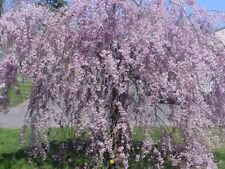
5 Purple Willow Ct Tree Weeping Flower Giant Full Landscape Garded Yard
10 available
Details
Shipping: US-Mainland: free (more destinations)
Condition: Brand new
Returns: does not accept (more)
Description
Native to China, the weeping willow tree (Salix babylonica) is easily identified by its weeping, pendulous branches that sweep the ground and its rounded form. A deciduous tree, the weeping willow grows to 50 feet in height with a 20- to 40-foot spread and does best within U.S. Department of Agriculture plant hardiness zones 6 through 8, although some nurseries claim a broader range – 4 through 9.
Germination
The seeds of many trees have a dormancy period that must be broken before they will germinate. Weeping willow tree seeds have no dormancy period and do not require any special pregermination treatment. In fact, in nature, weeping willow seeds germinate within 12 to 24 hours if they fall to moist soil. To germinate in the home or greenhouse, sow the seed immediately after collection into a moist media, such as sand or a mixture of peat moss and sand. Keep the medium slightly moist during germination.
Seed Care
When the weeping willow tree seeds sprout, keep the seedlings in a lightly shaded area and continue to keep the germination medium slightly moist. When the seedling reaches 6 inches in height, transplant it into a 1-gallon container filled with commercial potting soil and increase the amount of sunlight it receives, gradually, until it is in full sun. The ideal time to plant it outside is in early spring, after the danger of frost has passed. Weeping willow trees grow quickly – 8 to 10 feet per year – once they are planted in the landscape.
How to Care for Dogwood Trees
Most dogwoods require supplemental water during summer and fall, especially during hot, dry spells. For care of flowering dogwood trees, regular watering once a week to a depth of 6 inches should suffice. However, adding a generous layer of mulch will help retain moisture, minimizing watering chores. Most established trees do not require fertilizer. However, if you do choose to fertilize young dogwoods, use only a small amount of slow-release fertilizer. Dogwood trees seldom need pruning; however, it may be necessary to remove dead or injured branches, suckers, and diseased or insect-infested parts on occasion. Shaping trees may also help keep them more attractive looking. Flowering dogwood trees are considered “bleeders,” which means they bleed sap, if pruned during late winter. Summer is an ideal time to take care of any pruning tasks that may be needed since these plants do not bleed sap during this time. Once established in the landscape, caring for dogwood trees is relatively easy. As long as they have been planted in the proper conditions and location, the overall care of flowering dogwoods is minimal.
Native to China, the weeping willow tree (Salix babylonica) is easily identified by its weeping, pendulous branches that sweep the ground and its rounded form. A deciduous tree, the weeping willow grows to 50 feet in height with a 20- to 40-foot spread and does best within U.S. Department of Agriculture plant hardiness zones 6 through 8, although some nurseries claim a broader range – 4 through 9.
Germination
The seeds of many trees have a dormancy period that must be broken before they will germinate. Weeping willow tree seeds have no dormancy period and do not require any special pregermination treatment. In fact, in nature, weeping willow seeds germinate within 12 to 24 hours if they fall to moist soil. To germinate in the home or greenhouse, sow the seed immediately after collection into a moist media, such as sand or a mixture of peat moss and sand. Keep the medium slightly moist during germination.
Seed Care
When the weeping willow tree seeds sprout, keep the seedlings in a lightly shaded area and continue to keep the germination medium slightly moist. When the seedling reaches 6 inches in height, transplant it into a 1-gallon container filled with commercial potting soil and increase the amount of sunlight it receives, gradually, until it is in full sun. The ideal time to plant it outside is in early spring, after the danger of frost has passed. Weeping willow trees grow quickly – 8 to 10 feet per year – once they are planted in the landscape.
How to Care for Dogwood Trees
Most dogwoods require supplemental water during summer and fall, especially during hot, dry spells. For care of flowering dogwood trees, regular watering once a week to a depth of 6 inches should suffice. However, adding a generous layer of mulch will help retain moisture, minimizing watering chores. Most established trees do not require fertilizer. However, if you do choose to fertilize young dogwoods, use only a small amount of slow-release fertilizer. Dogwood trees seldom need pruning; however, it may be necessary to remove dead or injured branches, suckers, and diseased or insect-infested parts on occasion. Shaping trees may also help keep them more attractive looking. Flowering dogwood trees are considered “bleeders,” which means they bleed sap, if pruned during late winter. Summer is an ideal time to take care of any pruning tasks that may be needed since these plants do not bleed sap during this time. Once established in the landscape, caring for dogwood trees is relatively easy. As long as they have been planted in the proper conditions and location, the overall care of flowering dogwoods is minimal.


